Concrete Cutting vs Concrete Removal: Understanding the Difference
People searching for concrete cutting often need precise modifications or openings, and local contractors can provide expert services to handle these tasks efficiently.
If you're exploring options for modifying or renovating concrete structures on your property, understanding the difference between concrete cutting and concrete removal is essential. Many property owners in the area seek out this knowledge to make informed decisions about their projects, whether it's creating openings in existing slabs, installing utilities, or repurposing outdoor spaces. Knowing when to choose precise concrete cutting versus complete removal can save time, reduce costs, and ensure the work aligns with your goals. Local contractors specializing in concrete services can provide the expertise needed to handle these tasks effectively, helping you navigate the project with confidence.
As you read further, you'll discover how each method serves different purposes and situations, making it easier to determine which approach is right for your needs. Concrete cutting involves making precise, controlled incisions or holes without disturbing the surrounding material, often used for modifications or installations. Concrete removal, on the other hand, entails taking out entire sections of concrete, typically for major renovations or structural changes. Connecting with experienced service providers in the area ensures that your project benefits from professional techniques tailored to your specific requirements, making the process smoother and more efficient.
- Concrete cutting services are needed when precise, clean cuts are required for installing utilities or creating openings in existing structures, with local contractors utilizing specialized equipment for accuracy. Concrete removal is often necessary for complete demolition or significant alterations, and local service providers handle these jobs efficiently with heavy-duty tools. When modifications involve partial removal or shaping of concrete surfaces, local pros can perform controlled cuts to minimize damage to surrounding areas. For projects requiring detailed shaping or creating access points, concrete cutting offers a less invasive approach compared to full removal, which is handled by experienced contractors. Understanding the difference helps in choosing the right service, with local experts ready to assist based on the specific scope of work.
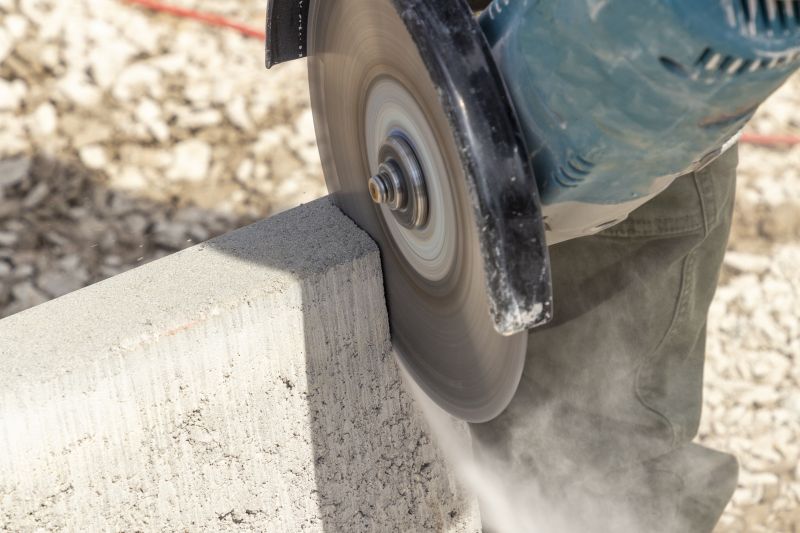
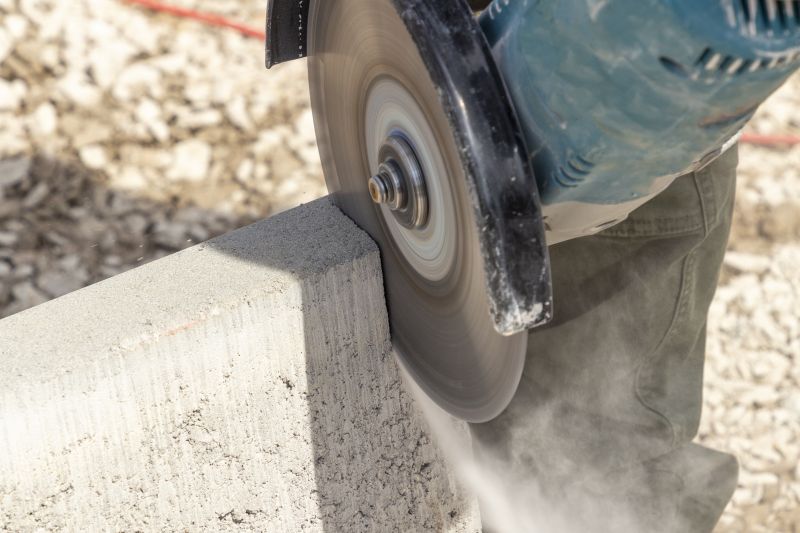
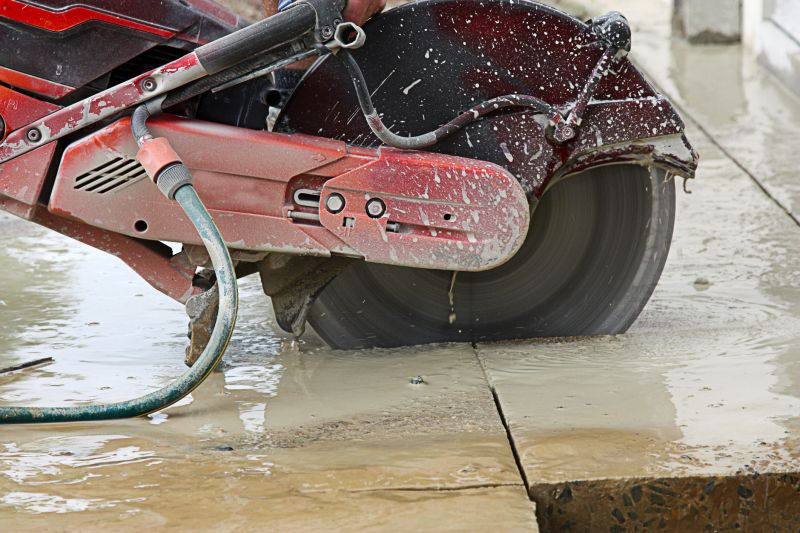
When people search for concrete cutting vs concrete removal: understanding the difference, they are often trying to clarify which process is suitable for their specific project. Concrete cutting refers to the precise, controlled process of creating openings, trenches, or modifications in existing concrete surfaces without removing large sections. This might include cutting through a driveway to install utility lines or creating access points in a garage floor. On the other hand, concrete removal involves taking out entire sections of concrete, such as demolishing a damaged patio or removing an old foundation to make way for new construction. Understanding these distinctions helps homeowners determine the right approach for their renovation or repair plans, ensuring that the project proceeds smoothly and efficiently.
These terms are commonly associated with a variety of property-related projects, especially those involving renovations, expansions, or repairs. For example, homeowners planning to install new windows or doors might need concrete cutting to create openings, while those removing a concrete slab due to damage or structural issues would require concrete removal. Both processes are essential in different scenarios-concrete cutting allows for modifications without total demolition, whereas concrete removal is necessary when the existing concrete is beyond repair or no longer serves its purpose. Recognizing the specific needs of a project can guide property owners to seek out local contractors who specialize in each type of service, ensuring the work is performed accurately and safely.
Properties that typically involve concrete cutting and removal vary widely, from residential homes to commercial buildings. Residential properties often require concrete cutting for tasks like installing new plumbing, electrical lines, or creating access points in driveways and patios. Concrete removal might be necessary when dealing with significant damage, such as cracks or sinking slabs, or when undertaking larger renovations that involve tearing out old concrete foundations or floors. Commercial properties, including warehouses and retail spaces, frequently need both services for modifications, expansions, or repairs. Understanding the type of work involved helps property owners communicate their needs clearly to local service providers, who can then recommend the appropriate techniques and equipment for each project.
Connecting with experienced local contractors is crucial for ensuring that concrete cutting or removal projects are completed safely and effectively. These professionals bring the necessary expertise, tools, and knowledge to handle different types of concrete work, whether it involves delicate cutting for precise openings or heavy-duty removal of large sections. Homeowners should consider reaching out to local pros who specialize in these services to get advice tailored to their property and project scope. Properly performed concrete cutting and removal not only facilitate the successful completion of renovation plans but also help prevent potential damage to surrounding structures. By understanding the differences and knowing when to seek expert help, property owners can ensure their projects are managed with care and precision.
Concrete Demolition - involves removing entire sections of concrete, requiring skills similar to concrete removal and often utilizing cutting tools for precise dismantling.
Flooring Removal - entails extracting old concrete or overlays, which shares techniques with concrete removal, including the use of specialized cutting equipment.
Foundation Penetration - involves cutting into concrete foundations for plumbing or electrical access, requiring precise cutting skills similar to those used in concrete cutting services.
Concrete Coring - focuses on creating core holes in concrete structures, which relies on core drilling tools and techniques aligned with concrete cutting expertise.
Asphalt Cutting - includes cutting through asphalt surfaces for repairs or installations, utilizing similar tools and planning as concrete cutting projects.
Retrofitting Projects - involve modifying existing concrete structures, often requiring cutting and removal skills to adapt the concrete for new uses or reinforcements.
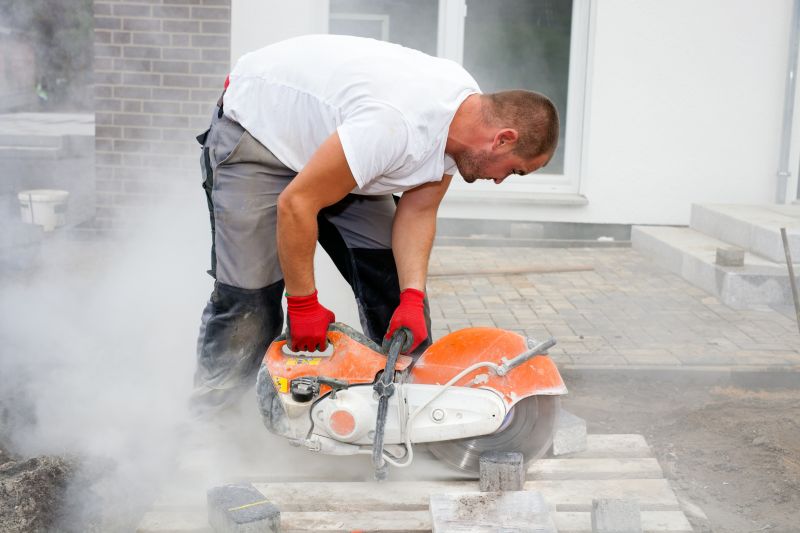
When comparing service providers for concrete cutting services, it’s essential to consider their experience with similar projects. Contractors who have a proven track record working on projects comparable in scope and complexity can provide insights into their expertise and reliability. This experience often translates into better understanding of the specific tools and techniques needed for precise cuts, which is especially important when distinguishing between concrete cutting and concrete removal. Homeowners should seek out references or examples of past work to verify that the contractor has successfully handled projects similar to their own, ensuring a smoother process and satisfactory results.
Clear, written expectations are a vital part of choosing the right contractor for concrete cutting services. A reputable service provider should be willing to outline the scope of work, the methods they plan to use, and the anticipated outcomes in a detailed proposal or estimate. This transparency helps prevent misunderstandings and ensures that homeowners understand what to expect during and after the project. When comparing options, it’s beneficial to ask for written documentation that specifies the work plan, so there are no surprises and everyone is aligned on project goals.
Effective communication and reputable references go hand in hand when selecting local contractors for concrete cutting. Service providers who are responsive, willing to answer questions, and provide clear explanations demonstrate professionalism and dedication to customer satisfaction. Additionally, seeking out references or reviews from previous clients can offer valuable insights into the contractor’s reliability, work ethic, and quality of service. Good communication and positive references are indicators of a contractor’s ability to manage the project efficiently, address concerns promptly, and deliver results that meet expectations.
Property owners often search for concrete cutting vs concrete removal: understanding the difference when they are planning practical projects around their homes and businesses. Local pros provide Concrete Cutting services for everyday jobs and straightforward project options.
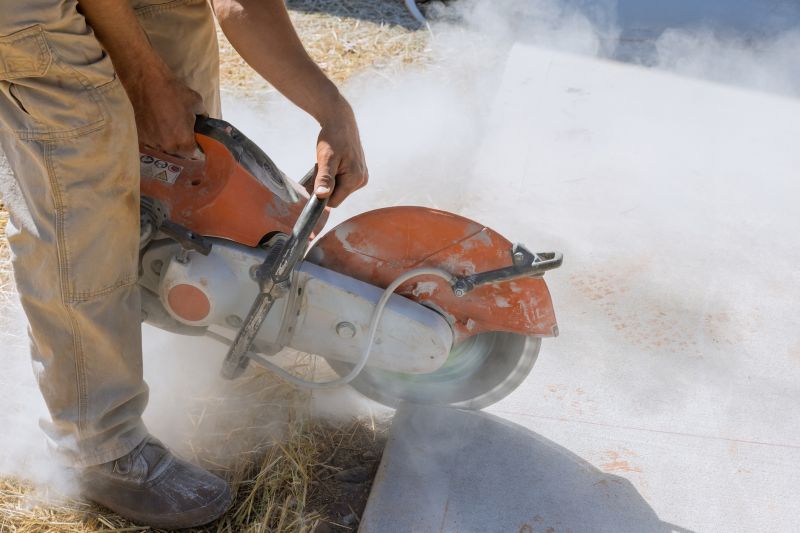
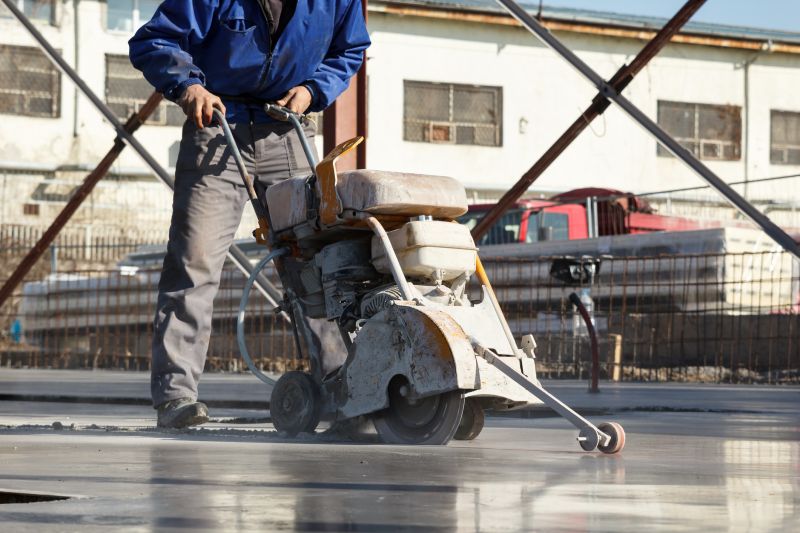
Understanding the difference between concrete cutting and concrete removal is important for property owners planning renovation or repair projects. Concrete cutting involves precisely slicing through existing concrete to create openings, channels, or to prepare for new construction elements. This service is often used when modifications are needed within an existing structure, such as enlarging doorways or installing utilities, without removing large sections of concrete. Local contractors specializing in concrete cutting can provide the necessary tools and expertise to complete these tasks efficiently, helping property owners achieve their project goals with minimal disruption.
Concrete removal, on the other hand, involves extracting entire sections of concrete, typically when a structure is damaged, outdated, or needs to be replaced entirely. This process often requires breaking up and hauling away large amounts of material, making it more labor-intensive than cutting. Property owners in the area might look into concrete removal services when preparing for new construction or significant renovations. Local service providers who offer concrete removal can handle the heavy-duty work needed to clear space, ensuring that the site is ready for the next phase of development or repair.
What is the main difference between concrete cutting and concrete removal? Concrete cutting involves making precise cuts in existing concrete, often to create openings or modifications, while concrete removal involves breaking and extracting entire sections of concrete to clear space or replace damaged areas.
When should I consider concrete cutting instead of removal? Concrete cutting is suitable when only specific sections need to be altered, such as for installing pipes or windows, whereas removal is necessary when large areas are damaged or need complete replacement.
Can local contractors handle both concrete cutting and removal? Yes, many local service providers are equipped to perform both concrete cutting and removal, ensuring they can address a variety of project needs efficiently.
Is concrete cutting less invasive than removal? Generally, yes; concrete cutting typically causes less disruption since it involves making controlled cuts, whereas removal involves breaking and extracting large sections of concrete.
How do I know which service is appropriate for my project? Consulting with local contractors can help determine whether concrete cutting or removal is best based on the scope and specifics of the project, ensuring proper approach and results.
Choosing the right service for opening up space - property owners can work with local contractors to determine whether concrete cutting or removal best suits their project needs.
Modifying existing structures safely - understanding the difference helps property owners decide if precise cutting or full removal is necessary for renovations.
Creating new access points in concrete surfaces - local pros can assist in planning and executing cuts for doorways, windows, or utility access.
Removing damaged or outdated concrete - property owners can rely on local service providers to efficiently remove old concrete before new installation.
If you are thinking about concrete cutting vs concrete removal: understanding the difference for a property, this guide is meant to help you understand this topic, the typical project types, and how different options might fit your plans.
When you are ready, you can use the quote form on this page to share a few details about your project. From there, local pros can review the basics and follow up with options that match what you have in mind.